What is the Canton Fair and why it matters
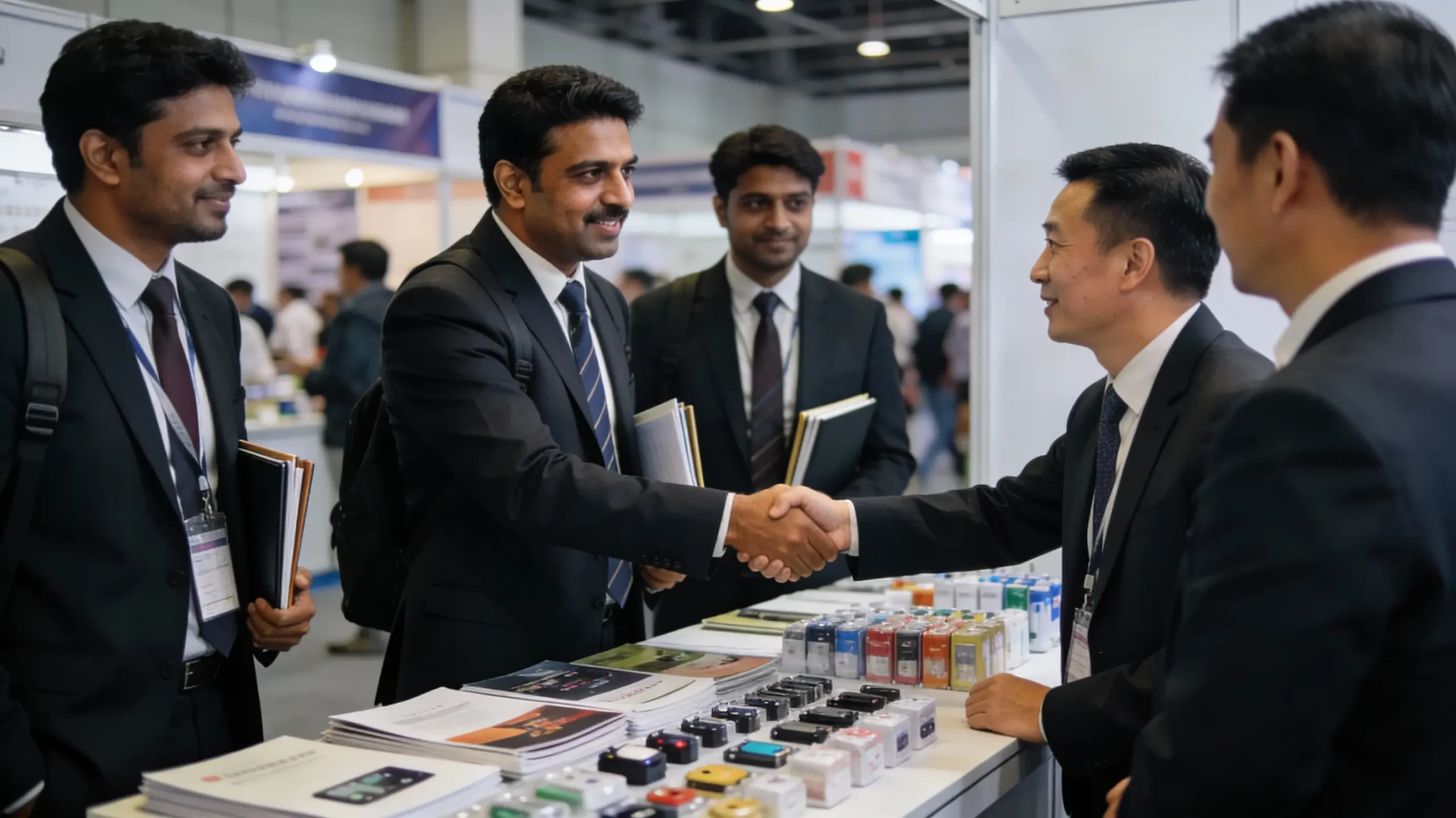
The Canton Fair, officially known as the China Import and Export Fair, is held in Guangzhou and is widely regarded as the world’s largest trade exhibition. It takes place twice a year, usually in April and October, and attracts buyers from every major market in the world. For Indian businesses, the fair has become especially important because it brings together verified manufacturers, export-ready factories, and global product trends under one roof. Instead of searching endlessly on Alibaba, messaging random suppliers and hoping they are genuine, you get to meet companies face-to-face, touch their products, analyse their quality, and have direct conversations about pricing, branding, and logistics. The experience is completely different from online sourcing; it gives clarity, confidence, and a realistic picture of global competition.
The fair is hosted inside the massive Pazhou Exhibition Complex, which spans multiple interconnected halls across several floors. When you first step inside, the scale itself feels unbelievable. Thousands of booths stretch as far as you can see, each displaying new designs, prototypes, commercially tested products and global bestsellers. It does not matter whether you deal in electronics, home décor, furniture, garments, tools, lighting, toys, or lifestyle goods — there is something here for almost every industry. That is why many Indian entrepreneurs describe their first Canton Fair visit as a turning point in their business journey.
Understanding Canton Fair phases (and choosing the right one)
Although it is one fair, it is divided into different phases across different dates, and choosing the wrong phase can waste both money and time. Phase 1 focuses on electronics, machinery, hardware, lighting products, building materials and electrical appliances. If your business revolves around industrial items, technology-driven products, solar equipment, tools or large appliances, this is the phase where you should be. Phase 2 is dedicated to household items, gifts, décor products, toys, ceramics, outdoor goods and furniture. This phase attracts lifestyle brand owners, gift wholesalers, home décor businesses and online sellers. Phase 3 is centered around garments, textiles, footwear, bags, medical and health-related products and some food categories, making it ideal for fashion brands, boutique owners and textile importers.
Many first-timers feel tempted to attend all three phases purely out of curiosity. However, the Canton Fair is massive; even covering one phase completely can take days of walking and discussion. It is far better to shortlist your core product category, match it with the correct phase, and plan your travel accordingly. This keeps the visit focused, cost-efficient and far less exhausting, while still giving you exposure to everything relevant to your business.
Registration process for Indian buyers
The registration process is simpler than many people expect. Buyer registration is free and can be done online through the official Canton Fair portal. You will need to create an account, upload your passport details, share your company information and submit a digital copy of your business card. After approval, you receive confirmation which later helps you collect your buyer badge in Guangzhou.
Once you reach the venue, you simply visit the Buyer Registration Counter with your passport to collect your physical badge. This badge becomes your pass for the entire fair and allows entry into all exhibition halls. It is advisable to carry printouts and soft copies of important documents because internet access can sometimes be slow during peak visitor crowds. Keep in mind that the Pazhou complex is huge, so registering on the very first day saves time and helps you spend the rest of your days purely on business activity.
China business visa for Indians (M Visa)
Most Indian visitors will require the M Visa, which is issued for business trips, trade visits and sourcing activities. The documentation usually includes a valid passport, an invitation letter from the Canton Fair or a supplier, a covering letter from your company, bank statements, income tax returns, passport photographs and your tentative travel plan. Visa officers mainly look for clarity of purpose and financial capacity, so your documents must appear consistent and genuine.
Some common mistakes Indians make include submitting incomplete documents, using mismatched company names, or presenting unclear business justification. That is why many first-time visitors prefer to take professional guidance for visa filing so they do not lose time due to rejections or resubmissions. Once approved, the visa typically allows entry during the fair period, and it is always better to apply early rather than rushing close to the travel date.

How to travel from India to Guangzhou
Reaching Guangzhou is convenient because multiple flight routing options are available. Occasionally, direct flights operate from major cities like Delhi or Mumbai, and when available, they are the most comfortable option. However, many travelers prefer flying to Hong Kong and then taking the high-speed train to Guangzhou. This route is popular because Hong Kong has strong flight connectivity from Indian cities, immigration is smooth, and the train journey itself is fast, modern and scenic.
Another option is flying through cities such as Shenzhen or Shanghai and then connecting onward to Guangzhou via domestic flight or rail. Whichever route you choose, it is important to remember that fair season is peak travel season, which means flight prices rise and seats sell out quickly. Booking early not only saves cost but also gives you better hotel options near the exhibition area.
Where to stay during the Canton Fair
Accommodation planning plays a big role in making your visit comfortable. The best places to stay are districts close to the exhibition complex, such as Pazhou, Haizhu or Tianhe. Many hotels in these areas offer shuttle buses directly to the fair, business centers, early breakfast timings, and English-speaking staff trained to handle international trade visitors. Staying too far away may look cheaper on paper but usually results in long daily travel and exhaustion.
Hotel rates increase sharply during fair time because of high global demand. It is wise to book early and look at both hotels and serviced apartments, especially if you plan to stay longer or travel with a team. A good business hotel with reliable internet, laundry service, easy transportation and nearby food options makes the overall trip significantly smoother and more productive.
Estimated overall cost of attending from India
The total cost depends on your city of departure, travel class, number of days you stay and your spending habits, but the major expense components usually remain the same. These include visa fees, round-trip airfare, hotel accommodation, local transportation, meals, SIM/internet charges, courier charges for product samples and any interpretation or sourcing support you decide to use. Apart from these, business owners should also be prepared for sample ordering, inspections and trial shipments, because the real outcome of the fair is not just attending — it is starting actual imports.
Many people treat the Canton Fair trip as an expense. In reality, it should be seen as an investment into business expansion. Meeting factories directly, negotiating better prices and discovering unique products often recovers the entire travel cost in the very first shipment you successfully execute.
What to carry with you
Preparation before travel saves trouble later. You should carry your passport and photocopies, multiple business cards, comfortable walking shoes, a backpack, power bank, universal plug adapter, basic medicines and personal hygiene items. Business cards are extremely important because they are still the primary method of exchanging contact details at the fair.
Downloading WeChat before travel is also helpful, as most Chinese suppliers prefer it over email or WhatsApp. You should also have Google Translate or another translation app available offline. The fair involves a lot of walking — often 10–15 km in a single day — so wearing comfortable clothes and shoes is not just a suggestion; it is a necessity.

Navigating the exhibition halls
The Canton Fair complex is so large that it is almost impossible to randomly walk in and expect to cover everything. The best approach is to download the exhibition map in advance, identify the halls relevant to your product category, and plan your visit like a schedule rather than a casual stroll. Many experienced buyers follow a simple system: the first day is spent exploring broadly and shortlisting suppliers, the second day is spent in deeper technical discussions, and the third day is reserved for final negotiations and confirmations.
You will notice that some booths are trading companies while others are direct factories. Learning to identify manufacturers is an important skill. Usually, factories have deeper knowledge about production processes, customization capability and minimum order quantities, while traders focus more on variety and quick shipment options.
Negotiating with Chinese suppliers
Negotiation at the Canton Fair is professional, calm and information-based rather than emotional bargaining. Under each discussion, there are certain key topics that always appear: MOQ (minimum order quantity), per-unit price, sample availability, customization options, production time, payment terms and certifications required for your country. The goal is not to push the supplier unrealistically low, but to reach a fair price with consistent quality and long-term cooperation potential.
A smart Indian buyer usually does not finalize deals on the very first meeting. Instead, they talk to multiple suppliers, compare pricing structures, check product finishing carefully and then return to the most suitable options. Chinese business culture values relationship-building, so patience, respect and clarity often result in better pricing and flexibility than aggressive bargaining ever will.
Ordering samples and doing quality checks
No matter how perfect a product looks at the booth, bulk ordering without sample approval is risky. The ideal process is to shortlist suppliers, request samples, test them either in China or back in India, and only then proceed toward large volumes. Samples can be shipped via courier to India or carried back in luggage if allowed and practical.
After sample approval, quality inspection becomes essential, especially for higher-value shipments. Third-party inspection agencies can visit the factory, check packaging, labeling, quantity and functionality before goods are dispatched. This step prevents costly surprises later, such as wrong labeling, missing components or quality issues discovered only after arrival in India.
Shipping, customs and importing into India
Once your order is ready, shipping needs to be planned based on weight, volume and urgency. Smaller and high-value consignments often move by air, while bulk cargo is usually shipped by sea because it is more economical. You will come across international trade terms such as FOB, CIF and EXW, which define which party bears which cost during transportation. Understanding these terms is important before signing any contract.
In India, you should also calculate the landed cost, which includes product price, freight, insurance, customs duty, GST and local logistics. Certain products may also require certifications such as BIS or other compliance documents before being sold in the Indian market. Discussing these aspects with your supplier early helps avoid legal or logistic surprises later.
Where can Canton Caravan Support you?
For many first-time visitors, the Canton Fair can feel exciting yet confusing at the same time. There are language barriers, thousands of suppliers to evaluate, complex hall structures, and technical details about shipping, documentation and product compliance. That is why a lot of Indian entrepreneurs prefer working with experienced sourcing partners who already understand Chinese markets and Indian import requirements.
Our team regularly assists Indian businesses attending the Canton Fair by helping them shortlist genuine manufacturers, arrange factory visits, negotiate pricing, verify certifications, coordinate quality inspections and manage sample or shipment arrangements. The intention is not just to “find products” but to ensure that entrepreneurs avoid fraud, prevent overpricing, and import safely and profitably. This support becomes especially helpful for first-time visitors who want guidance without feeling pushed or sold to.
Post-fair follow-up and converting leads into real business
The real work begins after you return from the fair. You will probably come back with dozens of catalogues and business cards, and it is easy to feel overwhelmed. The best approach is to organize your contacts, email them systematically, request quotations, compare landed costs, and proceed step-by-step toward actual orders. Many people attend the fair, get impressed, but never follow up properly — and that is where opportunities disappear.
Successful importers treat the fair as the beginning of a relationship, not a one-time shopping event. They maintain communication, ask detailed questions, test samples, negotiate gradually and then scale their orders as confidence builds.
Final conclusion
Attending the Canton Fair 2026–2027 from India is one of the most valuable business steps you can take if your work involves trading, imports, private labeling, e-commerce or wholesale distribution. It opens your mind to global quality standards, gives you direct access to factories, improves your negotiating power and helps you discover products long before they appear in the Indian market. With proper planning, clear objectives and the right guidance, the fair can become a milestone that permanently upgrades your business journey.